| Theories and Techniques of Oral Implantology (vol.2) (published 1970) | Dr. Leonard I. Linkow |
 Previous Page Previous Page
|
Next Page 
|
| This is an archival HTML version of this book originally hosted here in 2006. The HTML may not display well on modern browsers. Please view the modern PDF Version for a better viewing experience. |
Atypical implant situations 637
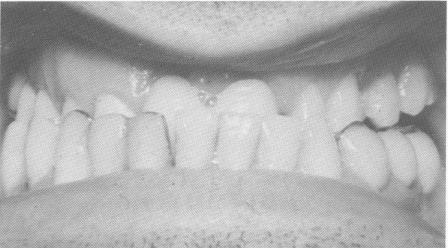
Fig. 15-22. The patient before treatment closed in this position—a Class III relationship.
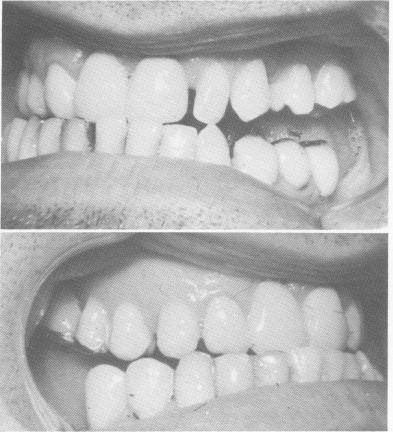
Fig. 15-23. Upon further observation, the incisal edges of the anterior upper and lower teeth almost met when the lower jaw was retruded.
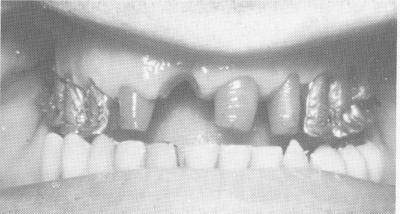
Fig. 15-24. Posterior gold veneer crown castings and Duralay anterior acrylic transfer copings are seated.
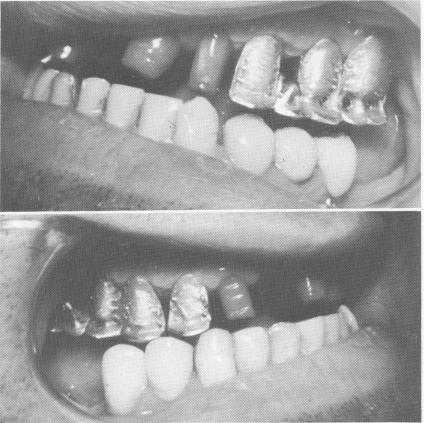
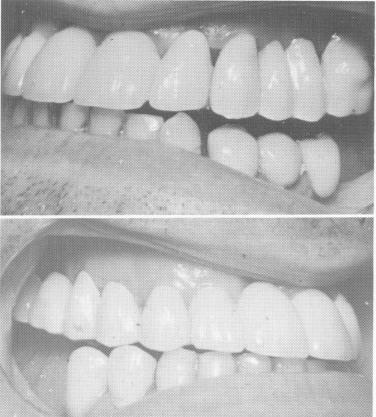
Fig. 15-25. The intermaxillary space was posteriorly divided equally by first lengthening the maxillary castings to one-half the distance.
Fig. 15-26. The completed maxillary prosthesis included two posterior quadrants constructed of gold occlusal acrylic veneers and the anterior quadrant, which consisted of porcelain fused to metal. The posterior quadrants engaged with the anterior quadrant with gold dovetail interlocks. The interocclusal space between the new bridgework and the old lower restorations will then be closed by lengthening the lower restorations.
|
Previous Page
|
Page 637 |
Next Page
|
|
Copyright warning: This information is presented here for free for anyone to study online. We own exclusive internet copyrights on all content presented on this website. We use sophisticated technology to identify and legally close down websites that reproduce copyrighted content without permission - so please don’t do it.
|