| Theories and Techniques of Oral Implantology (vol.2) (published 1970) | Dr. Leonard I. Linkow |
 Previous Page Previous Page
|
Next Page 
|
| This is an archival HTML version of this book originally hosted here in 2006. The HTML may not display well on modern browsers. Please view the modern PDF Version for a better viewing experience. |
604 Theories and techniques of oral implantology
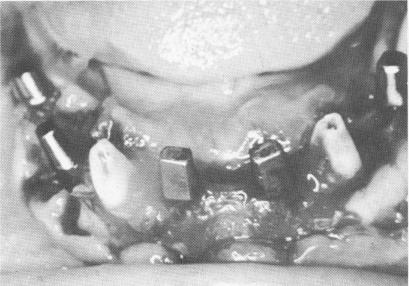
Fig. 13-58. Four blade implants were tapped into the bone.
Since the addition of the blade type implants, with their extremely retentive and self-supporting qualities, many loosened teeth that would previously have been supported by endodontic stabilizers are now extracted and replaced with the endosseous blades.
The following case illustrates this clearly. The patient, an attractive woman in her early forties, had extremely loose teeth in her mandibular arch (Fig. 13-57). The two cuspid teeth were pre-pared for full crown restorations, and their nerves were removed. The remaining teeth were extracted.
Two narrow blade implants were placed mesially to the two cuspids, and two double-posted blades
A
B
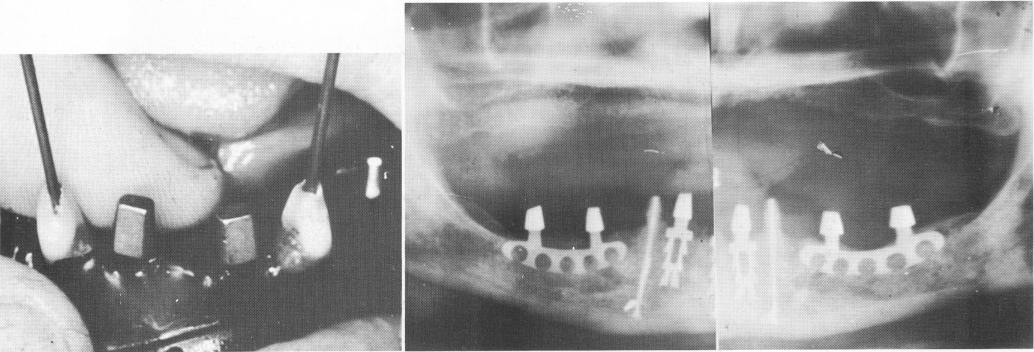
Fig. 13-59. A, Endodontic stabilizers were introduced into the cuspids. The teeth and implants are protected from the saliva with the use of rubber dams. B, An immediate postoperative radiograph.
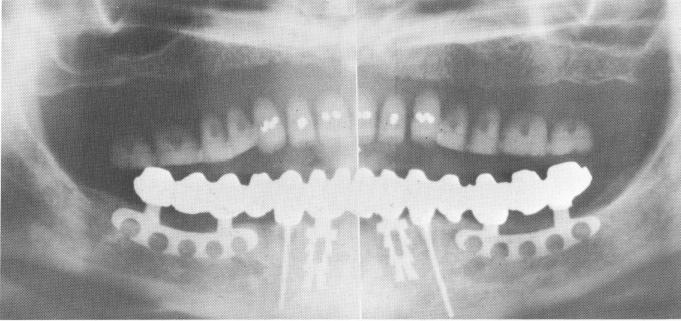
Fig. 13-60. Six months later than Fig. 13-59. Notice that the Kri paste seen around the apices of the stabilizers in Fig. 13-59 has been completely resorbed.
|
Previous Page
|
Page 604 |
Next Page
|
|
Copyright warning: This information is presented here for free for anyone to study online. We own exclusive internet copyrights on all content presented on this website. We use sophisticated technology to identify and legally close down websites that reproduce copyrighted content without permission - so please don’t do it.
|