| Theories and Techniques of Oral Implantology (vol.2) (published 1970) | Dr. Leonard I. Linkow |
 Previous Page Previous Page
|
Next Page 
|
| This is an archival HTML version of this book originally hosted here in 2006. The HTML may not display well on modern browsers. Please view the modern PDF Version for a better viewing experience. |
594 Theories and techniques of oral implantology
A
B
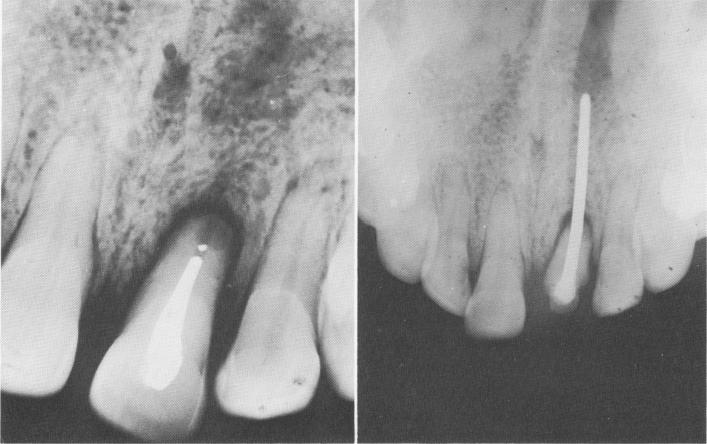
Fig. 13-22. Saving a reimplanted tooth. A few minutes after it was knocked out, this central incisor was root-treated (Wlakhoff method), reimplanted, and externally -splinted for about 4 weeks. A, Two years later the tooth was so loose that endodontic splinting was required. B, Five years after splinting, the tooth—which now carries an acrylic jacket crown—is a good member of the dental arch. (From Orlay, H. G.: Endodontic implants, J. Oral Implant Transplant Surg., pp. 44-53, 1965.)
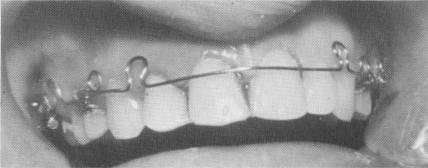
Fig. 13-23. As a result of an accident to a 16-year-old girl undergoing orthodontic treatment, her right lateral incisor was so loose that it came out of the socket with an alginate impression.
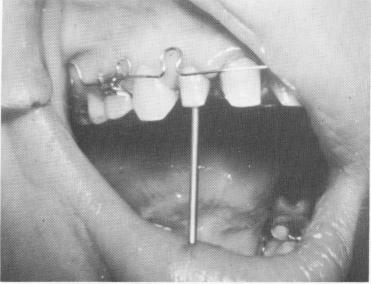
Fig. 13-24. The right lateral incisor and both central incisors were prepared for full crown restorations. The canal of the tooth was then treated and the tooth reimplanted with a stabilizer.
Accidental injury to a 16-year-old girl undergoing orthodontic treatment necessitated reimplantation (Fig. 13-23). As a result of a fall, the girl's lateral incisor was so loose that it came out of her mouth when an alginate impression was taken for fabricating a removable splint. With the tooth out-side the mouth, the nerve was removed, the canal widened, and an implant pin placed through it to ensure proper fit. The endodontic stabilizer was re-moved from the tooth and the tooth was placed back into the socket. While holding the tooth firmly in place, a long endodontic spiral drill was placed in-side the hollow root canal, and, with a slow-running contra-angle drill, a hole was made into the bone above the canal and as deep as possible without involving the floor of the nasal cavity. The drill was then removed and, with the use of Kri paste and oxyphosphate of zinc cement, the endodontic stabilizer was placed back in the tooth (Fig. 13-24). The pin was tapped deep into the bone to stabilize the tooth, and crowns were cemented over the reimplanted tooth and its abutments (Fig. 13-25). Fig. 13-26 is an x-ray of the finished case.
In another case of accidental injury, seven teeth were severely damaged in a car accident. Three teeth had been completely knocked out, and four others were so badly luxated that they were lying
|
Previous Page
|
Page 594 |
Next Page
|
|
Copyright warning: This information is presented here for free for anyone to study online. We own exclusive internet copyrights on all content presented on this website. We use sophisticated technology to identify and legally close down websites that reproduce copyrighted content without permission - so please don’t do it.
|