| Theories and Techniques of Oral Implantology (vol.1) (published 1970) | Dr. Leonard I. Linkow |
 Previous Page Previous Page
|
Next Page 
|
| This is an archival HTML version of this book originally hosted here in 2006. The HTML may not display well on modern browsers. Please view the modern PDF Version for a better viewing experience. |
The evolution of dental implants 157
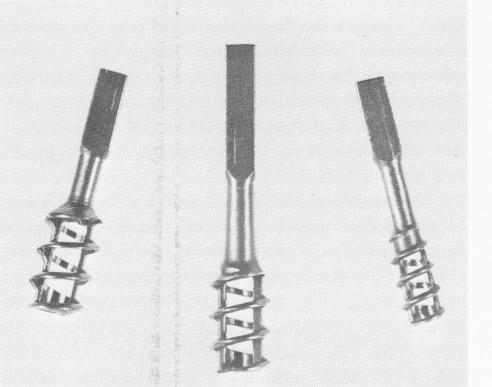
Fig. 5-42. Muratori's later implant. By simply reducing the bulk of the shaft, the implant's chances of success were vastly improved. (Courtesy G. Muratori.)
allows excellent circulation of blood, which consequently encourages the deposition of bone. The vent also permits a variation in operative technique. A hollow mill can be used to leave a core of bone over which the vent can be slipped. This permits even faster deposition of new bone.
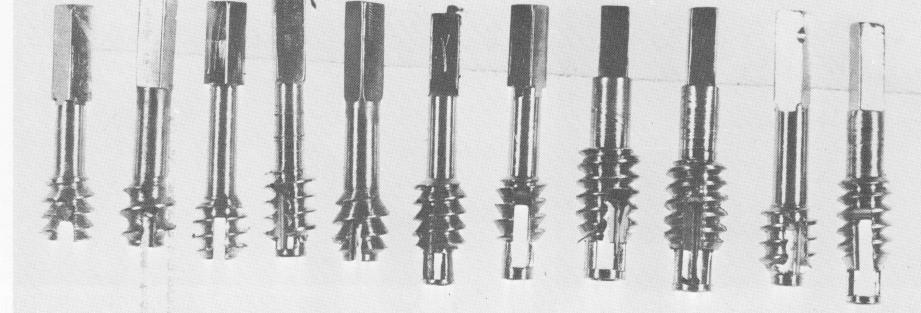
Because the widest portion of the implant is the spiral portion, and because this portion is solid and unusually strong with built-in "sluiceways," the vent-plant is self-tapping. As the implant is screwed into the bone, the bone chips are deposited inside the V-shaped "sluiceways" and end up inside the vent, thereby eliminating any excessive pressure on the surrounding bone. The self-tapping feature reduces the danger of creating too wide a site for implant insertion. Upon insertion, the vent-plant is much more secure than other forms of spiral implants that can-not "tap" their own way into bone.
Above the spiraled portion is a rounded shaft that
Fig. 5-43. Linkow's self-tapping vent-plant, shown in numerous variations for almost any bone situation. Those on the far left, for example, are used for shallow alveolar bone.
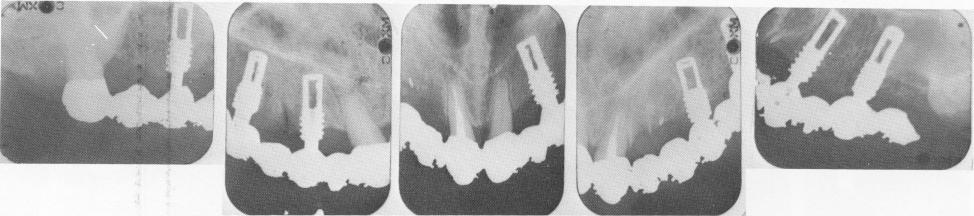
Fig. 5-44. Excellent bone regrowth is seen around the deeper portions of this 6-year postoperative early model vent-plant, a non–self-tapping implant made of tantalum. Later changes moved the widest portion apically to make room for a thinner solid shaft. (From Linkow, L. I.: Maxillary endosseous implants, Dent. Concepts 10:14-24, 1966.)
|
Previous Page
|
Page 157 |
Next Page
|
|
Copyright warning: This information is presented here for free for anyone to study online. We own exclusive internet copyrights on all content presented on this website. We use sophisticated technology to identify and legally close down websites that reproduce copyrighted content without permission - so please don’t do it.
|