| Theories and Techniques of Oral Implantology (vol.1) (published 1970) | Dr. Leonard I. Linkow |
 Previous Page Previous Page
|
Next Page 
|
| This is an archival HTML version of this book originally hosted here in 2006. The HTML may not display well on modern browsers. Please view the modern PDF Version for a better viewing experience. |
160 Theories and techniques of oral implantology
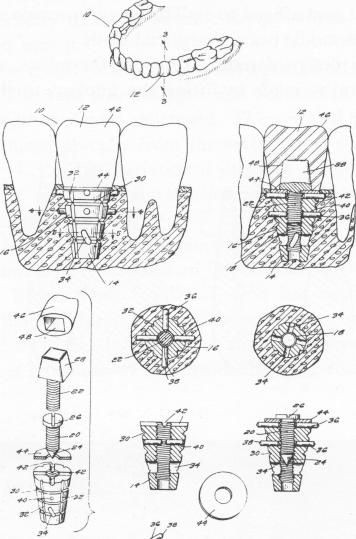
Fig. 5-50. As a screw was inserted into the base of Kiernan's implant, small pins were forced out into the bone. When the site had healed, a prosthesis-bearing screw was to be exchanged for the initial screw. (From Chercheve, R.: Les implants endo-osseoux, Paris, 1962, Librairie Maloine.)
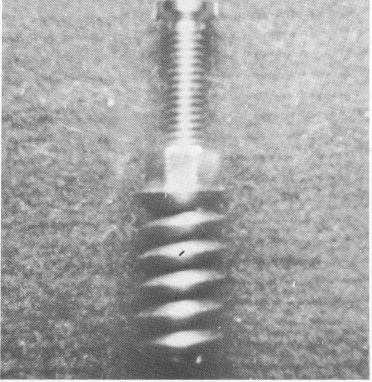
Fig. 5-51. Raphael Chercheve's "sleep-away" implant.
and for affixing the saddle over the protruding posts. However, it is doubtful that the implant worked. Since 1941, when Irwin applied for the patent, a great deal of work has been done on the causes of bone resorption. One of the major causes is undue pressure or tension. In light of this, it seems that Irwin's implant would fail because it relies too much on pressure from the flaring sides of the implant as they brace it in the site.
The buried implant of Thomas F. Kiernan incorporated a number of very interesting features. As stated in the 1958 patent application, the implant was a stainless steel, internally threaded base approximately the same shape as and slightly larger than the root of an incisor (Fig. 5-50). The method of insertion was to create a hole large enough to accommodate the conical base. Once the base had been set with its upper part level with the alveolar crest, a screw was inserted into the internally threaded base. As it was driven in, the screw forced pins out radially from the base. These pins penetrated the bone around the implant and were intended to pro-vide immediate retention of the implant. The washer between the base and the screw helped distribute downward pressure exerted on the head of the screw.
It was recommended that the base with the screw in position be allowed to remain like this for about 6 months. During this period, it was hoped that the bone would regrow right up to and around the implant, closely adhering to the grooves and apertures. When bone regrowth had made the base stable, the screw was removed and another bearing an abutment for an artificial prosthesis inserted. The crown was then shaped for esthetic reasons and for purposes of good occlusion. Again, however, it has been found
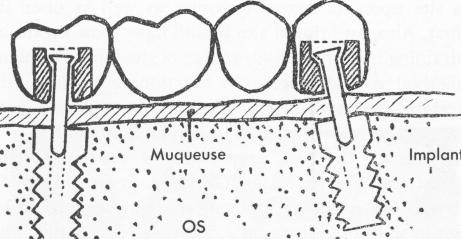
Fig. 5-52. A prosthesis fitted to Chercheve's "sleep-away" implants. (From Chercheve, R.: Les implants endo-osseoux, Paris, 1962, Librairie Maloine.)
|
Previous Page
|
Page 160 |
Next Page
|
|
Copyright warning: This information is presented here for free for anyone to study online. We own exclusive internet copyrights on all content presented on this website. We use sophisticated technology to identify and legally close down websites that reproduce copyrighted content without permission - so please don’t do it.
|