| Theories and Techniques of Oral Implantology (vol.1) (published 1970) | Dr. Leonard I. Linkow |
 Previous Page Previous Page
|
Next Page 
|
| This is an archival HTML version of this book originally hosted here in 2006. The HTML may not display well on modern browsers. Please view the modern PDF Version for a better viewing experience. |
270 Theories and techniques of oral implantology
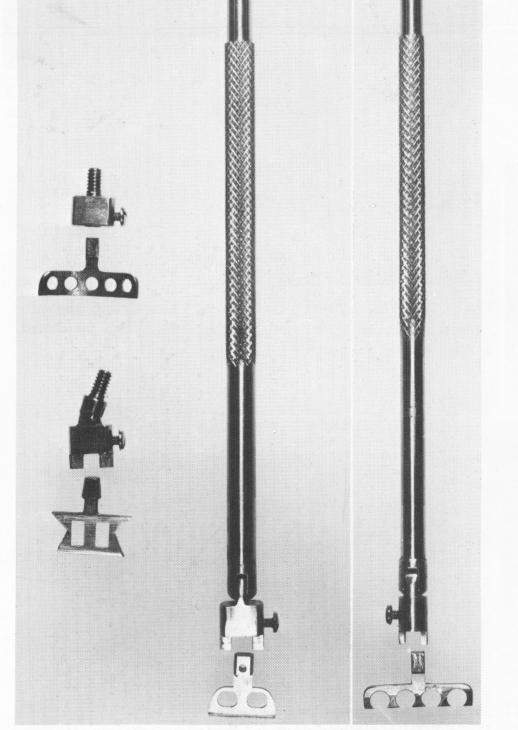
Fig. 7-30. Inserting instruments for blade implants.
and contain angled holes for the insertion of the pins that will be directed through it.
Although the tissues should usually be incised and reflected to expose the bone prior to an implantation, this cannot be done when a template is to be used, since it will irritate the healing tissues. When a mistake is made in pin placement as a result of tricky mucoperiosteal tissues, despite radiographic studies and needle probes, the situation may be saved by reinserting the pin alongside the template and binding it to the template (Fig. 7-28) .
Blade implant armamentarium
Of all known dental implants, the blade is the most versatile and promising design to date. It is easy to insert with a few specialized instruments.
Surgical instruments. Surgical instruments include cutting instruments—either a disposable scal-
pel and blade or one that is sterilized and used repeatedly, providing that the blade remains sharp —and a periosteal elevator for reflecting the tissues to expose the bone (Fig. 7-29).
Grinding and cutting instruments. The basic instrument is an air-driven contra-angle with a No. 700L fissure bur for making grooves in the bone to accommodate the implants. Carborundum disks may be needed to recontour a blade or to shape and cut away portions to adapt it to an atypical morphologic situation.
Grinding instruments include heatless stones for shortening implant posts or shoulders that cannot be tapped beneath the alveolar crest. Rubber wheels may then be necessary for smoothing the roughened edges.
Inserting instruments. Specially designed inserting instruments with various attachments are used
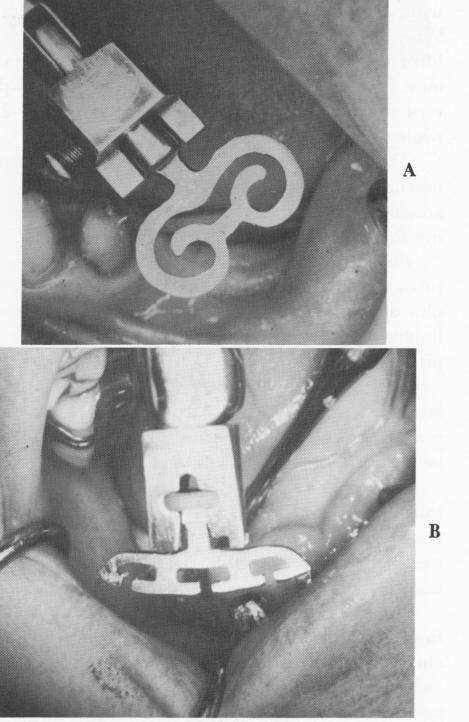
Fig. 7-31. Blade held in the inserting instrument A, by a screw and B, by an clastic ring.
|
Previous Page
|
Page 270 |
Next Page
|
|
Copyright warning: This information is presented here for free for anyone to study online. We own exclusive internet copyrights on all content presented on this website. We use sophisticated technology to identify and legally close down websites that reproduce copyrighted content without permission - so please don’t do it.
|