| Theories and Techniques of Oral Implantology (vol.2) (published 1970) | Dr. Leonard I. Linkow |
 Previous Page Previous Page
|
Next Page 
|
| This is an archival HTML version of this book originally hosted here in 2006. The HTML may not display well on modern browsers. Please view the modern PDF Version for a better viewing experience. |
Endosseous blade implants 509
ridge is uneven and extremely porous, with the tissue tenaciously bound to it. Thus extreme care is needed to avoid tearing the tissue while separating it in order to reduce postoperative complications. As a note of interest, Linkow has never found a cortical plate of bone covering the alveolar crest in the posterior edentulous area of the maxillae from the bicuspid to tuberosity regions, no matter how long a time the area was edentulous)
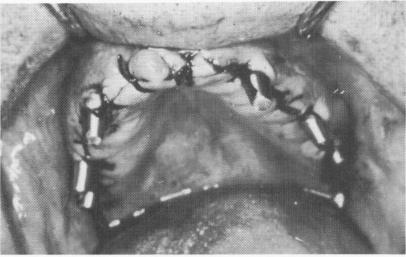
Grooves the same mesiodistal length as their corresponding blades were made in the desired areas of the ridge about 6 mm. deep. The blades were set in their grooves (Fig. 11-150) and tapped in until their shoulders were below the bony ridge (Fig. 11-151). The tissue was then completely closed with surgical ties (Fig. 11-152) . The palateless temporary denture was adjusted, lined with Hydrocast,* and fitted over
*Manufactured by Kay-See Dental Co., Kansas City, Mo.
Fig. 11-152. Tissues were sutured over the implants.
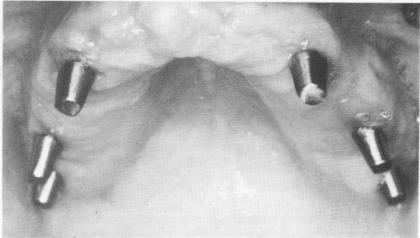
Fig. 11-153. The healed tissues 2 weeks postoperatively.
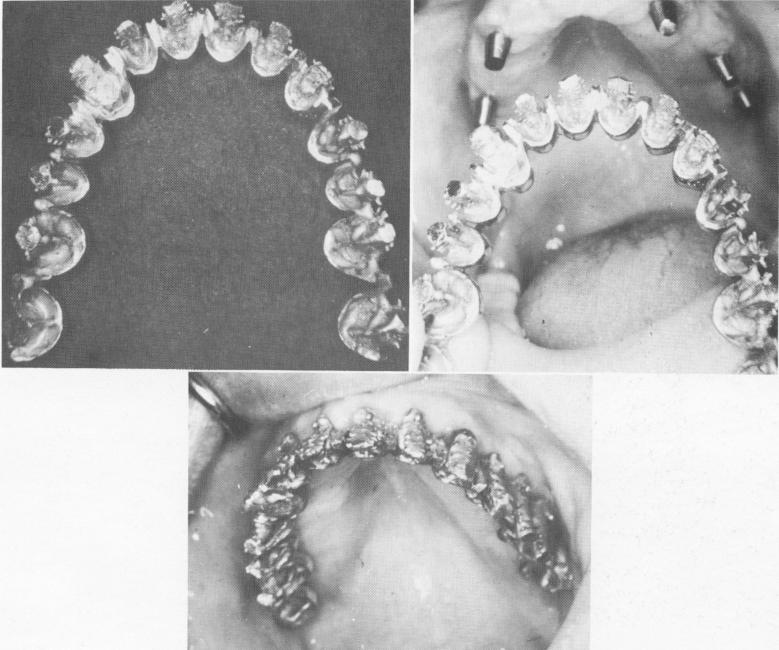
Fig. 11-154. A one-piece gold casting for an acrylic prosthesis is used.
|
Previous Page
|
Page 509 |
Next Page
|
|
Copyright warning: This information is presented here for free for anyone to study online. We own exclusive internet copyrights on all content presented on this website. We use sophisticated technology to identify and legally close down websites that reproduce copyrighted content without permission - so please don’t do it.
|