| Theories and Techniques of Oral Implantology (vol.1) (published 1970) | Dr. Leonard I. Linkow |
 Previous Page Previous Page
|
Next Page 
|
| This is an archival HTML version of this book originally hosted here in 2006. The HTML may not display well on modern browsers. Please view the modern PDF Version for a better viewing experience. |
Operative tips 309
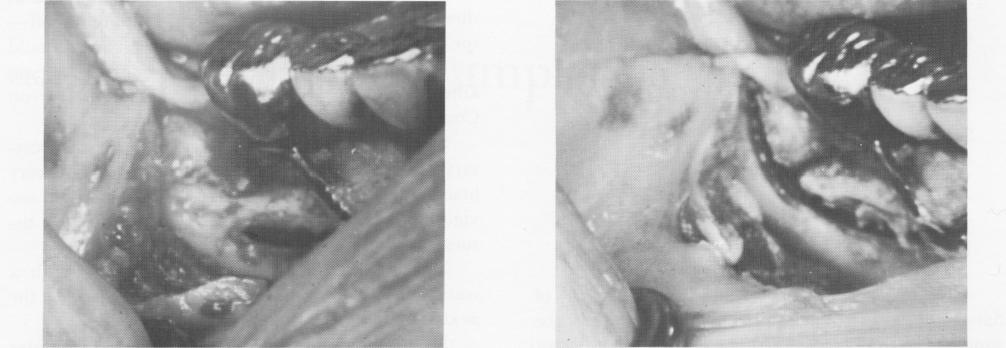
Fig. 7-109. The entire peripheral strut of the implant sank into the bone, and new bone deposited over it.
cover the sutured soft tissues with an intraoral bandage to protect them from tongue thrusts, saliva, and the mechanical stimuli that occur in the mouth. If the wound is extremely sore, the intraoral bandage should be changed once a day. The sutures should be removed in about 5 to 7 days.
Medications are of course necessary for such a traumatic surgical session. Analgesics should be pre-scribed, and a 2-ml. intramuscular injection of dexamethasone phosphate sodium should be given prior to the removal of the implant in order to reduce or prevent postoperative swelling. Also, the patient should be instructed to rinse constantly with warm saline solutions.
PATIENT INSTRUCTION
Any implant candidate should be given preoperative and postoperative instructions. He should recognize his role in preparing himself for surgery, in caring for himself after surgery, and in contributing to the long-term success of his restoration. If the dentist wishes, he may draw up a list of suggestions and have them printed as a memorandum for the patient's convenience.
Preoperative instructions
If the patient is to be given medications before he arrives at the office, he should be warned about their possible side effects. When drugs that will make him drowsy or less attentive than normal are to be administered during surgery, he might be advised to consider making arrangements for his transportation home. Perhaps he should be accompanied by a relative or friend. Advice like this is not only wise, it also
Fig. 7-110. The buried strut was exposed by drilling away the overlying bone with a carbide fissure bur.
indicates to the patient that his dentist has his total well-being in mind. The ensuing confidence helps alleviate any possible anxiety the patient may have about oral surgery in general and implant surgery in particular.
The patient should also be forewarned that his mouth may be sore and that he will need to eat either soft or liquid foods. This is particularly true of patients who will undergo subperiosteal implant procedures or of those who will undergo endosseous implant procedures that include incising and suturing the soft tissues. Forewarned, the patient may have on hand the proper foods for a balanced diet. The role of good nutrition in hastening convalescence, maintaining resistance to infection, and speeding healing cannot be underestimated.
If a liquid diet is desired, there are a number of alternatives. The beverages used by people trying to lose weight, although low in calories, contain the essential nutrients needed daily. They come already mixed in cans or can be mixed with milk. They are not only handy but also flavorful. If the patient needs calories, he may also consume milk shakes and other high-calorie beverages.
A good liquid diet recommended by the American Dental Association consists of fruit juices, milk, other beverages, soup, and dessert. A typical menu would be:
Breakfast
Orange juice 4 oz.
Milk 1 glass
Coffee 1 cup
Sugar ad lib
Cereal gruel 1/2 cup
|
Previous Page
|
Page 309 |
Next Page
|
|
Copyright warning: This information is presented here for free for anyone to study online. We own exclusive internet copyrights on all content presented on this website. We use sophisticated technology to identify and legally close down websites that reproduce copyrighted content without permission - so please don’t do it.
|