| Theories and Techniques of Oral Implantology (vol.1) (published 1970) | Dr. Leonard I. Linkow |
 Previous Page Previous Page
|
Next Page 
|
| This is an archival HTML version of this book originally hosted here in 2006. The HTML may not display well on modern browsers. Please view the modern PDF Version for a better viewing experience. |
Operative tips 291
away from the tissues. Excessive tension on the sutures will cause breaking of the strands and tearing of the tissues. The sutures should be firm, but not tight enough to strangle the tissues.
Tying surgical knots. No matter which type of knot is tied to secure the sutures (Fig. 7-82), it should be firm enough to prevent slipping. The knot must also be as small as possible; a secure knot is not necessarily a bulky knot. The excess "whiskers" should be cut short to minimize tissue reaction (in the case of absorbable sutures) and to minimize foreign body reaction (in the case of nonabsorbable sutures).
When tying the knot, sawing one strand over the other should be avoided, since sawing may weaken the sutures until they break. Both ends of the suture must be pulled in opposite directions with uniform rate and tension.
Wherever possible, the knots should be buccal or labial to the incision. Otherwise the knots may be ground into the wound.
STERILIZATION PROCEDURES
There are three basic methods of sterilization: mechanical, thermal, and cold or chemical.
Mechanical sterilization
Mechanical sterilization may involve such a simple approach as scrubbing the instruments thoroughly with soap or detergent and water or the more effective and efficient method of cleansing by ultrasonic devices. Both these methods rely on friction to remove germs and other offending sub-stances.
Thermal sterilization
Thermal sterilization kills bacteria by coagulating their proteins or some enzyme-protein system. The process is irreversible, destroying the reproductive and respiratory mechanisms of the cells.
Wet heat is more effective than dry heat. Most bacteria are killed in 10 to 12 minutes when in direct contact with moist heat or with saturated steam at 250° F. Steam under pressure, such as is accomplished with the autoclave, is the most widely used method for sterilization. The increased pressure raises the temperature rapidly, shortening the time needed to destroy bacteria and their spores. The average temperature maintained should be about 255° F. Towels, swabs, applicators, tongue depressors, and dressings are usually autoclaved, as
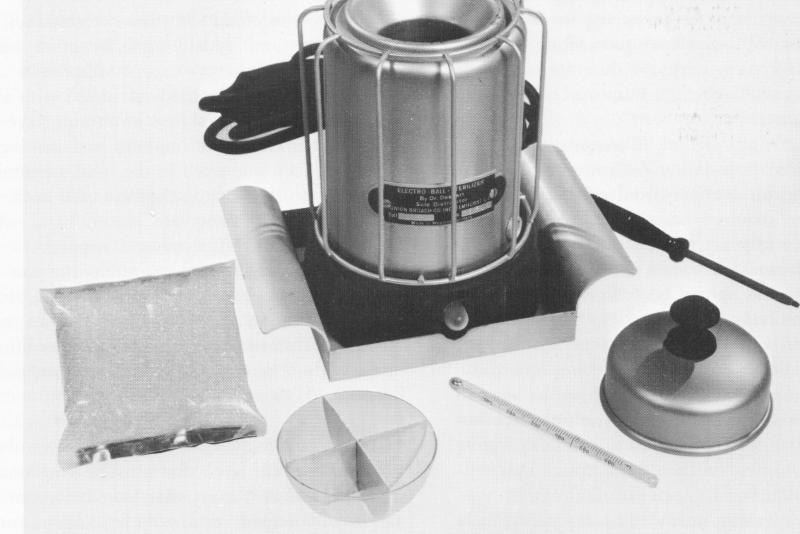
Fig. 7-83. Bead sterilizer. (Courtesy Union Broach Co., Inc.)
|
Previous Page
|
Page 291 |
Next Page
|
|
Copyright warning: This information is presented here for free for anyone to study online. We own exclusive internet copyrights on all content presented on this website. We use sophisticated technology to identify and legally close down websites that reproduce copyrighted content without permission - so please don’t do it.
|